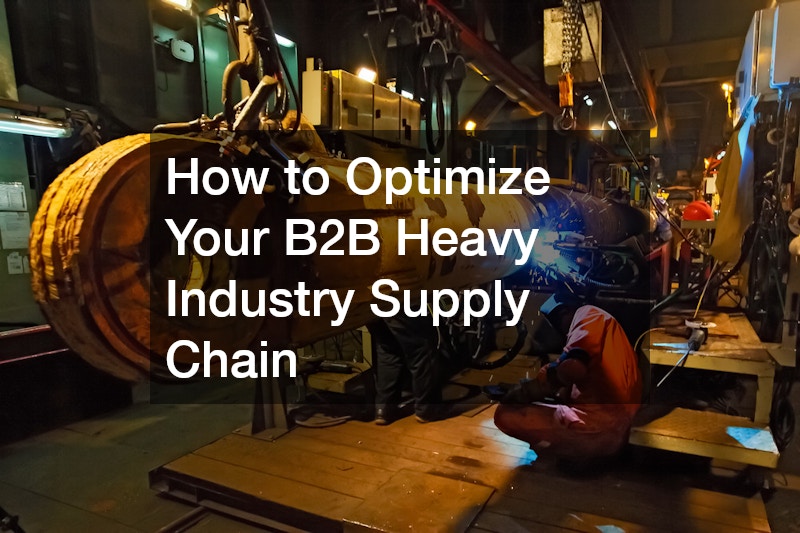

Operating within the business-to-business heavy industry sector requires managing some of the most complex, volatile, and demanding logistical networks in the global economy. Unlike standard commercial or consumer product fulfillment, heavy industrial operations must continuously balance long production lead times, fluctuating raw material costs, strict geometric tolerances, and highly rigorous regulatory standards. Whether your organization produces massive structural infrastructure, agricultural equipment, or heavy automotive components, the margins for error are razor-thin, and the stakes could not be higher.
A single breakdown or bottleneck at any stage of a heavy industry supply chain can cause a devastating domino effect across your entire operational framework. A minor delay in sourcing a custom-machined part, a localized safety failure, or an administrative clerical error can bring an entire multi-million-dollar assembly line to a grinding halt, triggering severe contractual delay penalties and fracturing critical relationships with your key B2B clients. To stay competitive in today’s interconnected global market, industrial leaders must move away from reactive troubleshooting and embrace a highly proactive approach to optimization.
Optimizing a heavy industry supply chain requires looking beyond the walls of your own production facility. It demands a holistic, data-driven strategy that seamlessly coordinates precision external component manufacturing, specialized material procurement, flexible human resource management, and automated backend corporate administration. This comprehensive guide provides heavy industrial executives, operations managers, and procurement officers with an actionable blueprint to eliminate operational friction, lower overhead costs, and build a resilient supply network capable of absorbing market shocks.
Outsourcing High-Precision Mechanical Components
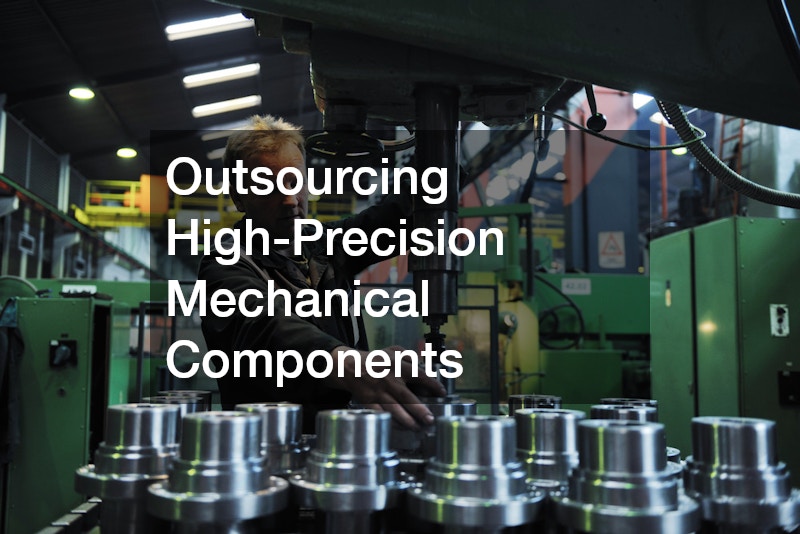
Partner with Tier-1 Machining Vendors for Tight-Tolerance Custom Engineering
Historically, many heavy industrial firms attempted to maintain absolute vertical integration, handling every single stage of production—from raw iron pouring down to the final aesthetic coat—completely in-house. While this self-contained model provided complete control over the production schedule, it has become financially unsustainable in the modern manufacturing landscape. Maintaining specialized multi-axis machinery, continuously updating computer-guided cutting software, and employing highly specialized toolmakers creates a massive, inflexible overhead load that drains corporate capital reserves.
Modern supply chain optimization relies on strategic partnerships with specialized external component manufacturers who focus entirely on tight-tolerance engineering. Sourcing critical engine block headers or custom hydraulic manifolds requires a vendor that specializes in multi-axis CNC machining to ensure dimensional accuracy down to the micron. These Tier-1 suppliers invest millions of dollars in the latest milling and turning technologies, allowing them to produce intricate components faster, more accurately, and at a much lower cost per unit than an internal maintenance shop could achieve.
By delegating raw structural frame assemblies to a dedicated external partner, your plant can absorb fluctuating demand without investing millions in native metal fabrication equipment. This shift transitions fixed manufacturing costs into flexible, variable expenses that scale up or down based on your incoming B2B contracts. To maximize this setup, establish real-time digital tracking links with your component vendors, ensuring that their manufacturing schedules align perfectly with your internal assembly line requirements, thereby eliminating expensive raw material stockpiling.
- Key criteria for vetting external high-precision component vendors:
- Verification of multi-axis automated milling capabilities and geometric inspection documentation.
- Real-time electronic data interchange capacity to link inventory levels automatically.
- Transparent raw material sourcing networks to guarantee steel and alloy purity origins.
- Robust quality control certifications that align directly with your industry’s safety codes.
Selecting Reliable Heavy Component Manufacturers
Assess Structural Sourcing Partners on Capacity, Scale, and Specialized Output
While high-precision internal components keep your heavy machinery functioning correctly, the overall structural shell of your industrial products depends on heavy-duty structural steel and plate manufacturing. The procurement of oversized chassis assemblies, massive support brackets, and custom enclosure panels presents a unique set of logistical challenges, as transporting these heavy components across long distances requires specialized freight permits, heavy cranes, and expensive long-haul configurations.
To minimize transportation costs and insulate your assembly timeline from international shipping delays, procurement teams should prioritize the development of a regional network of heavy structural suppliers. Auditing top-tier local metal fabrication companies allows procurement officers to secure long-term contractual pricing for structural steel frames. Partnering with regional providers drastically shortens your delivery windows, reduces fuel surcharges, and allows your quality assurance teams to conduct rapid, in-person site inspections to verify weld integrity before the components are loaded onto flatbeds.
Furthermore, focus your supplier selection on partners who can deliver a fully finished product rather than a raw, semi-processed component that will require additional handling steps at your own facility. Relying on end-to-end fabrication services that include both laser cutting and anti-corrosive powder coating simplifies your logistics by cutting down on third-party handling. This comprehensive approach minimizes the risk of structural elements rusting or sustaining surface scratches during multiple transport cycles, allowing the incoming parts to move straight from the delivery bay directly onto your active assembly line.
Securing Critical Sealing and Airflow Infrastructure
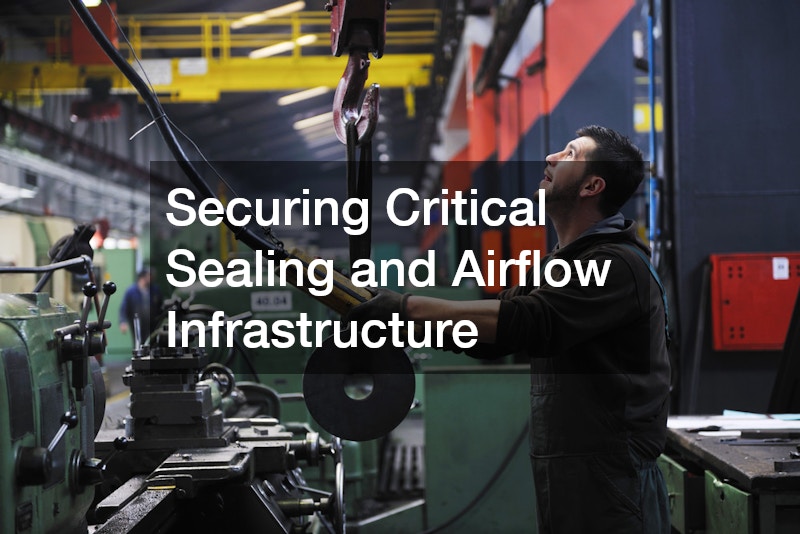
Prevent Plant Downtime by Standardizing High-Performance Consumables
When analyzing a heavy industrial supply chain, it is easy to focus all your attention on high-profile, high-cost components while neglecting the small consumables that keep the factory floor running safely. In heavy production environments characterized by extreme heat, corrosive chemicals, and high vibration levels, the failure of a basic sealing ring or an airflow control damper can cause catastrophic system failures, shutting down entire chemical processing loops or manufacturing lines instantly.
To safeguard your plant from unexpected downtime, the implementation of a predictive maintenance schedule for your infrastructure consumables is an absolute necessity. Upgrading your pipeline junctions with high-performance industrial gaskets prevents volatile fluid leaks and protects valuable system pressures. Sourcing these components from vendors who utilize advanced, chemically inert materials ensures that your seals can withstand high-pressure drops and intense thermal expansion cycles, lengthening the mean time between failures across your entire mechanical layout.
Similarly, the environmental exhaust networks within your manufacturing plant must be tightly regulated to protect worker safety, manage air quality, and stay fully compliant with environmental emission laws. Installing heavy-duty industrial dampers within your facility’s exhaust stacks allows precise airflow routing and mitigates structural stress during sudden pressure changes. Standardizing these essential components across all your production lines allows you to maintain a lean, highly efficient on-site inventory of replacement parts, cutting down on capital tied up in storage warehouses while ensuring your maintenance mechanics can execute rapid repairs when a component shows signs of wear.
- Essential steps for standardizing plant consumable inventory:
- Group all fluid and airflow junctions into standardized diameter and temperature rating classes.
- Establish minimum and maximum stocking thresholds with local suppliers for automated reordering.
- Implement a strict first-in, first-out inventory rotation schedule to prevent material degradation over time.
- Partner with local distributors who offer emergency hot-shot delivery options for critical seals.
Optimizing Plant Assets and Specialized Workforce Management
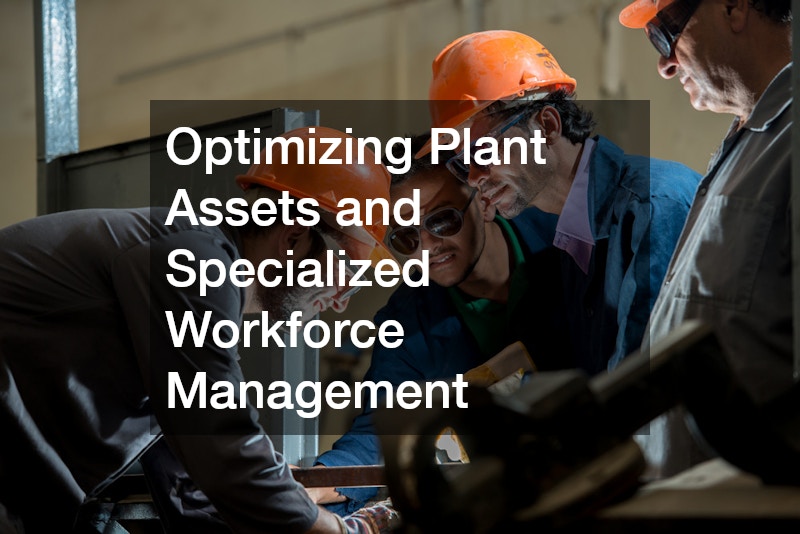
Outsource On-Site Support Utilities and Streamline Specialized Technical Recruitment
A truly optimized heavy industry supply chain reaches far beyond material management; it also covers the strategic management of your physical facilities and the specialized human labor required to transform raw materials into finished industrial goods. Heavy manufacturing plants are notoriously complex environments to maintain, demanding continuous janitorial cleanup, robust perimeter security, and intense preventative maintenance on building structures, heavy cranes, and electrical substations.
To keep your core engineering teams focused entirely on production throughput and quality control, leadership should look to outsource everyday facility maintenance tasks to specialized third-party providers. Contracting out your everyday physical plant upkeep to third-party facility management services lets your internal engineers focus entirely on production throughput. These specialized companies bring their own trained personnel, safety equipment, and compliance documentation, ensuring your factory floor remains clean, safe, and fully aligned with workplace safety regulations without draining your internal HR resources.
Simultaneously, the widespread shortage of skilled trade professionals—such as certified structural welders, precision machinists, and robotics programming technicians—presents a constant challenge for industrial scaling. Trying to find, screen, and vet these rare professionals using standard online job boards can take months, leading to open shifts and delayed project completions. Partnering with specialized technical employment firms gives your HR team immediate access to pre-vetted, drug-screened, and certified heavy equipment operators. These agencies maintain deep, localized talent pools, allowing you to quickly secure contingent workforce groups to meet sudden spikes in customer demand without taking on long-term fixed employment obligations.
Streamlining Backend Corporate and Administrative Utilities
Automate Regulatory Audits, Payroll Processing, and Multi-State Fiscal Filings
While optimizing the factory floor and the raw material pipeline is critical, the backend administrative workflows of an industrial corporation must be equally lean and efficient. A supply chain can feature the fastest manufacturing equipment and the most reliable material vendors, but if your administrative office suffers from slow processing times, manual documentation errors, or delayed payments, your overall business operations will remain sluggish and exposed to significant regulatory risk.
Managing a diverse heavy industrial workforce—which often features multiple shifts, complex overtime structures, hazardous duty pay differentials, and union dues deductions—requires an absolute commitment to clerical precision. Upgrading to an automated, cloud-based payroll system ensures complex shift-differential pay and union dues are calculated flawlessly every single cycle. Automating this critical workflow eliminates human data-entry errors, speeds up processing times, and ensures that your workforce is paid accurately and transparently, which permanently boosts employee morale and labor union relations.
Furthermore, heavy industrial corporations must navigate a highly complex regulatory tax landscape, especially if their operations involve shipping massive components across multiple state lines or international borders. Missing a regional tax deadline or miscalculating specialized manufacturing exemptions can result in severe financial audits and legal penalties. Utilizing an enterprise-grade corporate tax filing service shields your industrial firm from expensive reporting errors while capturing specialized R&D manufacturing tax credits. These corporate financial platforms keep your accounting data fully synchronized with current corporate tax frameworks, allowing you to run a highly secure, legally compliant enterprise.
- Key benefits of automating backend corporate administration:
- The complete elimination of manual spreadsheets for tracking complex employee shift differentials.
- Instant, digital access to itemized tax documentation during federal, state, or municipal financial audits.
- Real-time visibility into labor cost distributions across different manufacturing projects.
- Automatic updates to payroll tax deductions whenever regional or federal tax laws shift.
Mitigating Raw Material Volatility Through Strategic Procurement
Implement Forward Contracting and Foster Collaborative Vendor Risk Sharing
The final, highly critical component of heavy industry supply chain optimization involves insulation against the continuous price volatility of global raw materials. Heavy manufacturing is fundamentally dependent on massive quantities of structural steel, aluminum alloys, copper, and petroleum-based composites. Because these materials are traded on global commodity exchanges, their prices fluctuate constantly based on international trade policies, mining strikes, energy costs, and shifting geopolitical landscapes, making budgeting incredibly difficult.
To prevent sudden raw material price spikes from completely wiping out your project profit margins, your procurement executive must utilize sophisticated hedging and purchasing strategies. Rather than purchasing metals on the spot market when a client places an order, implement forward contracting frameworks that lock in a guaranteed material price with your suppliers for up to twelve or eighteen months in advance. This approach allows your finance team to project future manufacturing costs with absolute precision, protecting your corporate cash flow from unexpected market drops.
Additionally, build long-term relationships with your raw material suppliers based on transparent risk sharing and joint forecasting. Share your long-range sales pipelines and production forecasts with your core metals vendors, allowing them to buy their raw materials during market dips and store them in anticipation of your future orders. By acting as a reliable, predictable partner to your raw material network, you gain priority access to scarce material allocations during global supply shortages, ensuring your plant stays operational while your less organized competitors face lengthy material delays.
Conclusion
Optimizing a business-to-business heavy industry supply chain is a multi-dimensional challenge that demands an absolute commitment to operational alignment, precise vendor collaboration, and administrative efficiency. By strategically outsourcing your high-precision custom parts to specialized machining vendors, you free up vital corporate capital while ensuring your core machinery operates with micron-level accuracy. Expanding your regional network of heavy structural manufacturing firms minimizes expensive long-haul freight costs and shortens your production timelines, keeping your assembly lines moving forward smoothly. On the factory floor, standardizing high-performance consumables like seals and airflow components safeguards your physical assets from expensive, unexpected downtime. Finally, automating your backend corporate utilities ensures absolute compliance, protects your workforce relations, and allows your enterprise to scale smoothly without administrative bottlenecks. Embrace a data-driven approach to procurement today, eliminate internal friction points across your layout, and build a powerful, resilient industrial operation designed to deliver maximum value to your B2B clients for years to come.